“Dies Irae” is a dark psychological thriller that dives into the chaos of fate, guilt, and retribution. The film unfolds like a haunting puzzle, following a protagonist trapped in a series of morally twisted events that push the limits of sanity. With its eerie atmosphere, sharp storytelling, and unsettling emotional depth, “Dies Irae” delivers a chilling and thought-provoking cinematic experience.
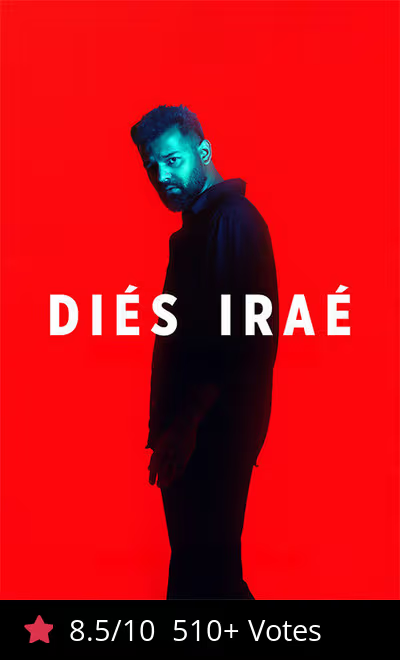
Table of Contents
ToggleDies Irae Movie Review:Dies Irae is a dark, gripping emotional-action drama that blends psychological depth with mythic intensity, delivering a visually fierce and emotionally haunting experience.
A man’s descent into vengeance becomes a war against fate itself.
K-Ramp Movie Review Rating:
Star Cast: Pranav Mohanlal, Gibin Gopinath, Jaya Kurup, Arun Ajikumar, Sushmitha Bhat
Director: Rahul Sadasivan
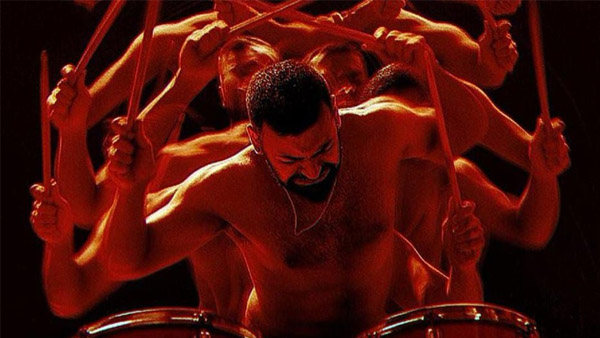
What’s Good: Stunning visuals with symbolic, myth-inspired frames
What’s Bad: Slow pacing in a few philosophical portions
Loo Break: During mid-second-half monologue-heavy scenes
Watch or Not?: Definitely watch – especially if you love dark, intense, thought-provoking cinema with mass appeal.
Language: Telugu
Available On: Theatrical release
Runtime: 2 Hours 25 Minutes
User Rating Clickflik.in :
Rate This :
Dies Irae is a dark, atmospheric, and emotionally intense film that explores themes of fate, guilt, justice, and inner conflict. The title, derived from the Latin phrase meaning “Day of Wrath,” sets the tone for a story that is heavy, symbolic, and morally complex. The film operates in a serious space, blending psychological drama with elements of mystery and tension.
Set against a somber backdrop, Dies Irae follows characters who are trapped by their past decisions and are forced to confront consequences that cannot be avoided. The narrative unfolds slowly, allowing the audience to absorb the emotional weight and philosophical undertones of the story. Rather than offering easy answers, the film challenges viewers to reflect on morality, punishment, and redemption.
With its restrained storytelling, moody visuals, and introspective tone, Dies Irae is a film designed for audiences who appreciate depth and nuance. It is less about spectacle and more about emotional and psychological impact, making it a thought-provoking cinematic experience.
 (No Ratings Yet)
 Loading...
Dies Irae Movie Review: Script Analysis
The script of Dies Irae is deliberate, layered, and introspective. From the opening moments, the screenplay establishes an atmosphere of unease and anticipation. The writing relies heavily on mood, symbolism, and character psychology rather than fast-paced plot developments.
One of the script’s strongest aspects is its structure. The narrative unfolds gradually, revealing information piece by piece. This slow-burn approach allows tension to build organically and keeps the audience engaged through curiosity rather than constant action. Flashbacks or reflective moments are used effectively to deepen character understanding and emotional resonance.
The dialogues are minimal but meaningful. Instead of lengthy conversations, the script often uses silence, pauses, and subtle exchanges to convey emotion. This restraint enhances the realism and seriousness of the film. When characters speak, their words carry weight, often reflecting internal struggles and moral dilemmas.
A notable strength of the script is its thematic consistency. The ideas of judgment, guilt, and fate are woven into every aspect of the story. Even smaller scenes contribute to the larger narrative purpose, ensuring that the screenplay feels cohesive and intentional.
The pacing may feel slow for viewers accustomed to commercial cinema, but it serves the story well. The first half focuses on character establishment and emotional groundwork, while the second half intensifies the psychological conflict. The climax does not rely on dramatic twists but instead delivers emotional and thematic closure that aligns with the film’s tone.
Overall, the script of Dies Irae is mature and confident. It respects the audience’s intelligence and invites interpretation, making it a film that encourages discussion long after the viewing experience.
Dies Irae Movie Review: Star Performance
The lead actor delivers a powerful and restrained performance that anchors Dies Irae. His portrayal is subtle yet deeply expressive, relying more on facial expressions and body language than overt dialogue. He convincingly conveys internal conflict, guilt, and emotional exhaustion, making the character feel authentic and relatable.
What stands out in the performance is emotional control. Rather than dramatizing every moment, the actor allows emotions to simmer beneath the surface. This approach makes key scenes more impactful and aligns perfectly with the film’s tone.
The supporting cast adds significant depth to the narrative. Each character feels carefully written and convincingly portrayed, contributing to the emotional and moral complexity of the story. Their performances feel natural, enhancing the realism of the film’s world.
Antagonistic or opposing characters are portrayed with nuance rather than exaggeration. Instead of being purely villainous, they represent conflicting perspectives, making the central conflict more layered and thought-provoking.
Female characters or emotionally grounded roles play an important part in balancing the film’s intensity. Their performances add sensitivity and emotional contrast, helping the audience connect more deeply with the story.
As an ensemble, the cast works in harmony, ensuring that Dies Irae feels cohesive and emotionally immersive. No performance feels out of place, which strengthens the overall impact of the film.