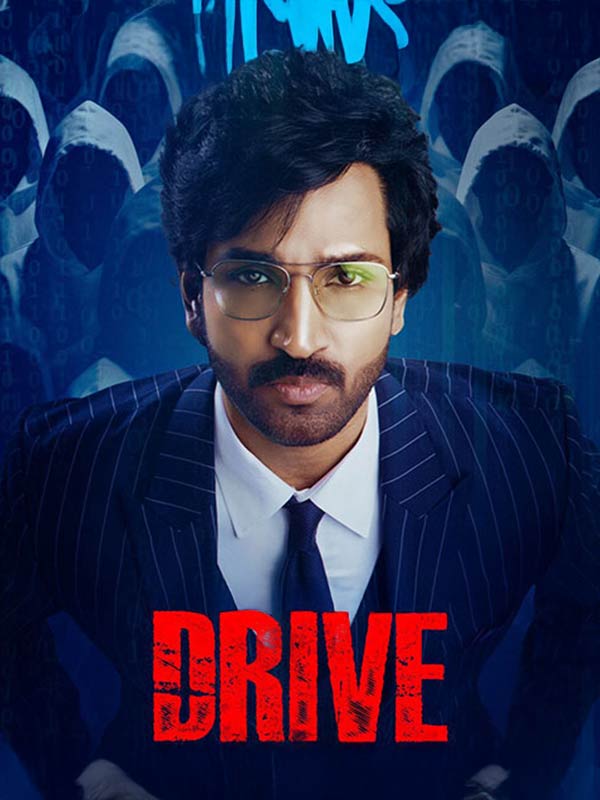
Drive
Drive is a stylish action-thriller that follows a quiet, mysterious stunt driver who lives a double life as a getaway driver for criminals. When a job goes wrong and the woman he cares about is threatened, he is forced to step out of the shadows, using his driving skills and ruthless determination to survive in a violent world where trust is rare and danger is constant.
Table of Contents
ToggleDrive: Drive is an intense Telugu suspense thriller about a media boss’s life unraveling into a dangerous chase after a mysterious hacker takes control of his world.
A powerful media mogul’s life turns into a high-stakes game of survival when an unknown hacker targets him personally and professionally.
Drive Movie Review Rating:
Star Cast: Aadhi Pinisetty, Madonna Sebastian, Raja Chembolu, Kamal Kamaraju, Anish Yohan Kuruvilla
Director: Jenuse Mohamed
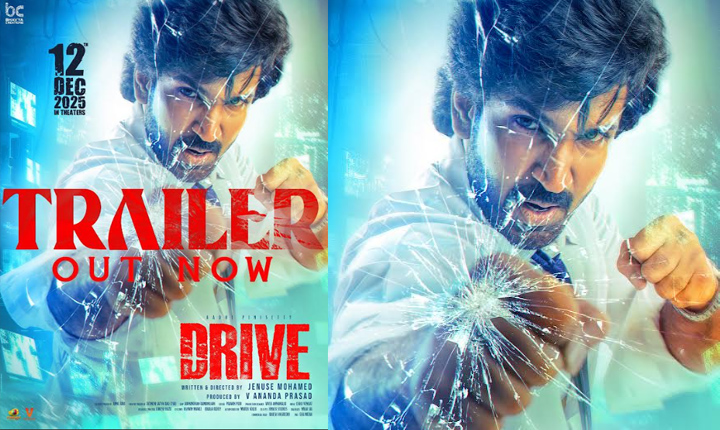
What’s Good: The premise is intriguing with cyber thriller elements and a tense trailer that hints at a survival chase, supported by a competent technical team and dynamic visuals to keep you engaged early on.
What’s Bad: Weak script execution and pacing issues, especially in the second half, combined with ineffective tension build-up and underused performances, make the final experience flatter than expected.
Loo Break: Best around early climax buildup (midway, where hacking stakes accelerate).
Watch or Not?: You might give it a one-time watch if you enjoy thriller setups with cybercrime angles, but don’t expect edge-of-your-seat momentum throughout.
Language: Telugu.
Available On: Theatrical release
Runtime: 1Hours 55 Minutes
User Rating Clickflik.in:
Rate This:
Drive is a stylish action-thriller that revolves around speed, crime, and the hidden life of a man who survives between danger and silence. At its core, the film tells the story of a highly skilled driver whose life is shaped by choices made on the road and the consequences that follow him wherever he goes. The narrative blends fast-paced action with emotional undertones, making Drive more than just a film about cars and chases.
The story begins with the introduction of the protagonist, a quiet and reserved man who works as a professional driver. By day, he appears ordinary, living a simple life and keeping to himself. He does not speak much, avoids unnecessary attention, and prefers to let his actions do the talking. Driving is not just a profession for him; it is his identity. Behind the wheel, he is confident, fearless, and almost unbeatable. The roads are where he feels most alive, and speed is his language.
Unknown to many around him, the protagonist has a secret side. When the sun goes down, he becomes a getaway driver for criminals, helping them escape after dangerous jobs. He follows strict rules, never asking questions and never getting emotionally involved. For him, this is just a means to survive, not a lifestyle he is proud of. He believes that as long as he sticks to his rules, he can keep his worlds separate and avoid trouble.
Things begin to change when he meets the female lead, a woman burdened by her own struggles and responsibilities. Their relationship develops slowly and naturally, built on trust and quiet understanding rather than dramatic romance. She sees kindness in him beneath his silence, while he finds peace in her presence. For the first time, the protagonist starts dreaming of a life away from crime and danger, imagining a future that does not involve running from the law or risking his life every night.
However, the past refuses to stay buried. A major turning point occurs when the protagonist agrees to help with what is supposed to be a simple job. The plan goes terribly wrong, leading to chaos, betrayal, and bloodshed. The once-controlled world he lived in collapses in a single night. He becomes a target, hunted by dangerous criminals who believe he knows more than he does. His strict rules no longer protect him, and his silence becomes a liability.
As the tension rises, the protagonist is forced to confront the reality of his double life. The danger now extends beyond him and threatens the woman he cares about. This pushes him into a corner where escape is no longer an option. Instead of running, he chooses to fight back, using the very skills that once kept him hidden. The film shifts gears at this point, transforming from a calm, atmospheric thriller into an intense survival story.
The emotional weight of the story deepens as the protagonist struggles with guilt and responsibility. He realises that his choices have consequences, and innocent people are paying the price for his silence. His journey becomes not just about survival, but about redemption. Every chase, every confrontation, and every violent encounter is driven by his determination to protect what little he has left.
The antagonists in Drive are ruthless and unpredictable, representing a world where greed and power dominate. They underestimate the protagonist, seeing him only as a driver, not realising the danger of cornering a man with nothing to lose. This underestimation becomes their biggest mistake. The protagonist’s transformation is gradual yet powerful, showing how a calm man can become deadly when pushed beyond his limits.
One of the most striking aspects of Drive is how it uses silence and minimal dialogue to tell its story. The protagonist rarely explains himself, allowing his actions to reveal his emotions. His driving sequences are not just visually thrilling but emotionally charged, reflecting his internal turmoil. Speed becomes an escape, a weapon, and a form of expression all at once.
As the story moves toward its climax, the stakes reach their peak. The protagonist faces his enemies head-on in a series of tense confrontations that test his physical and mental strength. These moments are not glorified but portrayed as necessary evils, reinforcing the film’s theme that violence always comes at a cost. Each decision he makes pulls him further away from the peaceful life he once imagined.
The climax delivers a powerful resolution, blending action with emotional closure. The protagonist’s final choices define who he truly is, not just as a driver or a criminal, but as a man seeking redemption. The ending leaves a lasting impact, emphasising that some paths, once taken, can never be fully abandoned, but courage lies in choosing what to protect when everything is at risk.
Overall, Drive is a gripping action-thriller that goes beyond fast cars and chase scenes. It explores themes of identity, redemption, and the consequences of living a double life. With its stylish presentation, intense narrative, and emotionally grounded protagonist, the film keeps the audience engaged from start to finish. Drive ultimately reminds viewers that even in a world driven by speed and violence, humanity and choice still matter.
 (No Ratings Yet)
 Loading...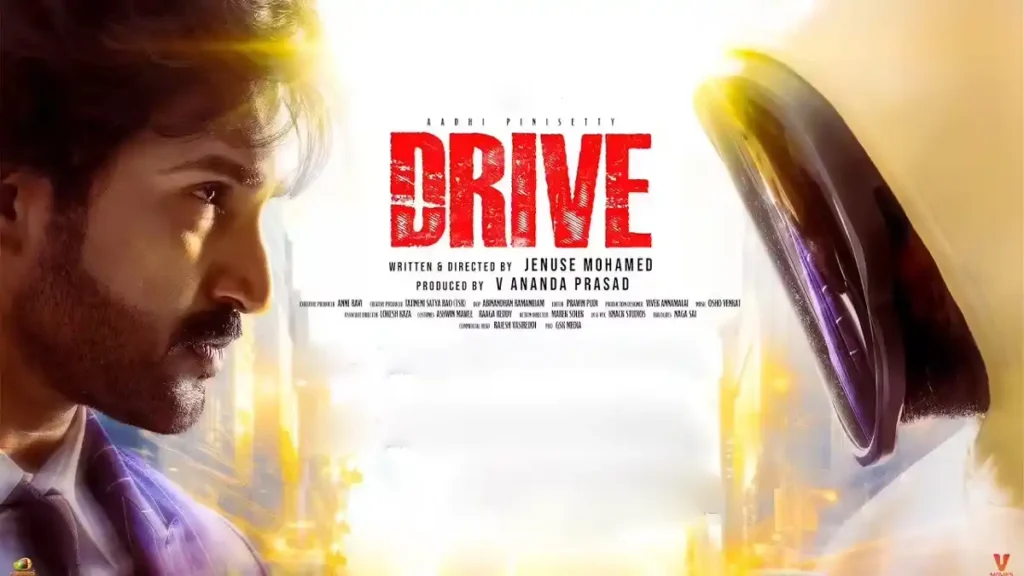
Drive Movie Review: Script Analysis
The script of Drive stands out because it relies more on mood, character psychology, and controlled storytelling rather than loud exposition or overused commercial formulas. At its heart, the screenplay is built around the idea of a man living two lives and the slow, inevitable collision between them. The writers choose restraint over excess, allowing the story to breathe and letting tension build naturally instead of forcing dramatic moments.
The opening portion of the script is deliberately calm and minimal. The protagonist is introduced without a heavy backstory or explanatory dialogue, which immediately creates curiosity. The script trusts the audience to observe and understand the character through behaviour rather than words. His silence, routine, and discipline establish him as someone who is emotionally guarded and morally conflicted. This choice strengthens the screenplay because it makes the character feel realistic and intriguing instead of predictable.
One of the strongest aspects of the script is its clear character rules. The protagonist follows strict principles when it comes to his illegal work, such as not getting emotionally involved and not asking questions. These rules are not just stated but shown through his actions. This is smart writing because it creates a solid foundation for conflict. When these rules are eventually broken, the impact feels organic rather than forced, making the narrative turn more powerful.
The romantic subplot is carefully written and does not overpower the main narrative. The script avoids melodrama and instead focuses on quiet moments that reveal emotional connection. The female lead is not used merely as a decorative presence but as a catalyst for change in the protagonist’s life. Through her, the script introduces the theme of hope and the possibility of a normal life. This contrast between danger and peace becomes one of the emotional backbones of the film.
Midway through the story, the script takes a sharp turn with a job gone wrong. This is the central pivot point of the screenplay, and it is handled effectively. The sudden chaos breaks the controlled rhythm established earlier, mirroring the protagonist’s inner collapse. From this point onward, the script becomes more intense, but it does not lose clarity. Every action sequence is motivated by survival and consequence, not spectacle alone.
The antagonists are written as ruthless and practical rather than overly dramatic. They represent a system driven by greed and power, making them believable threats. The script does not waste time giving them unnecessary backstories, which keeps the focus firmly on the protagonist. Their actions consistently push the story forward, creating constant pressure and urgency.
Another major strength of the script is its use of silence. Many key moments are written without dialogue, relying instead on visuals, reactions, and pacing. This approach gives the film a distinctive tone and allows emotions to surface naturally. The screenplay understands that not every emotion needs to be verbalised, and this maturity elevates the overall storytelling.
The pacing of the script is well-balanced. The first half is slow and atmospheric, intentionally setting the mood and character depth. The second half accelerates, reflecting the chaos that enters the protagonist’s life. This structural shift is purposeful and thematically aligned. The escalation never feels abrupt because the groundwork has already been laid earlier in the film.
Emotionally, the script focuses heavily on guilt and responsibility. As the story progresses, the protagonist is forced to confront the consequences of his choices. The screenplay does not portray him as a flawless hero; instead, it shows him as someone paying the price for his silence and moral compromises. This moral ambiguity adds depth and prevents the film from becoming a standard action thriller.
The climax is written with restraint rather than exaggerated heroism. Instead of glorifying violence, the script presents it as a necessity born out of circumstance. The final confrontations are intense but emotionally grounded, giving closure to the protagonist’s arc. His decisions in the climax reflect growth, sacrifice, and acceptance, making the ending impactful without being overly dramatic.
Overall, the script of Drive succeeds because of its disciplined writing, strong character focus, and thematic consistency. It avoids unnecessary subplots, keeps the narrative tight, and allows style to support substance rather than replace it. By blending action with emotional depth and psychological tension, the screenplay delivers a gripping story that stays with the audience even after the film ends.
Drive Movie Review:Star Performance
The strength of Drive rests heavily on the shoulders of its lead actor, whose performance defines the mood, tone, and emotional weight of the film. From the opening scenes themselves, he establishes a character who speaks less but communicates powerfully through silence, expressions, and controlled body language. His portrayal of the protagonist is calm on the surface yet layered with inner conflict, making the performance both engaging and memorable.
What stands out immediately is the restraint shown by the lead actor. In a genre that often encourages loud dialogues and exaggerated reactions, he chooses minimalism. This decision works strongly in favour of the film. His stillness creates tension, and his silence draws the audience closer, encouraging them to observe rather than be told. Every glance, pause, and subtle movement carries meaning, showing a deep understanding of the character’s psychology.
As a professional driver, the lead actor convincingly embodies confidence and precision. His posture behind the wheel, the way he handles high-speed situations, and his focused expressions make the driving sequences believable and intense. These scenes are not just action set pieces; they become extensions of his character’s emotional state. When he is calm, his driving feels smooth and controlled. When chaos enters his life, his driving turns aggressive and desperate, reflecting his internal struggle.
Emotionally, the performance is surprisingly rich. Though the character rarely expresses feelings openly, the actor allows emotions to surface naturally through his eyes and facial expressions. Scenes involving guilt, fear, and longing are handled with subtlety rather than drama. This approach gives authenticity to the character and prevents him from becoming a stereotypical action hero.
The romantic portions of the film reveal another layer of the lead actor’s performance. His chemistry with the female lead is understated yet effective. Instead of dramatic declarations of love, he uses gentle expressions and quiet interactions to build the relationship. This softness contrasts beautifully with his violent professional life and makes his desire for a normal future feel genuine. The actor shifts effortlessly between these emotional tones, showing impressive range.
When the story takes a darker turn, the lead actor elevates his performance further. The transformation from a rule-following professional to a man pushed into survival mode is gradual and believable. His anger never feels forced, and his violence is portrayed as a reaction, not a personality trait. This controlled escalation makes the character’s journey compelling and emotionally grounded.
In confrontational scenes, especially those involving the antagonists, the actor delivers a commanding presence. He does not overpower his opponents through loud theatrics but through quiet intensity. His calm demeanour in moments of danger makes him more intimidating than aggressive behaviour would. This composure adds to the film’s tension and reinforces the idea that the character is dangerous because he is focused, not reckless.
The climax showcases the actor at his best. His performance here blends physical effort with emotional closure. There is visible exhaustion, pain, and resolve in his expressions, making the final moments impactful. Rather than celebrating victory, he conveys the cost of survival, staying true to the film’s grounded tone. This choice leaves a lasting impression on the audience.
The supporting cast complements the lead well, but the film clearly belongs to him. He allows space for others to perform while maintaining a strong screen presence. The female lead benefits from his responsive acting, as their scenes feel organic rather than scripted. Even minor characters gain emotional weight because of how the lead actor reacts to them.
One of the most admirable aspects of his performance is consistency. Maintaining such restraint, emotional depth, and physical intensity throughout the film is challenging, yet he rarely slips. His understanding of pacing, silence, and expression shows maturity as a performer and a strong alignment with the film’s storytelling style.
Overall, the star performance in Drive is a masterclass in controlled acting. The lead actor proves that power does not always come from loud dialogues or exaggerated emotions. Instead, it comes from conviction, discipline, and emotional honesty. His performance anchors the film and transforms Drive from a stylish thriller into a character-driven experience. For audiences who appreciate subtle acting and intense screen presence, his performance is the film’s biggest highlight.