
Fighter Shiva
Fighter Shiva is a high-energy action drama that follows Shiva, a fearless young man who rises from the streets to become a powerful fighter while standing up against injustice and corruption. Packed with intense fights, emotional moments, and mass-appeal dialogues, the film showcases Shiva’s journey of self-belief, sacrifice, and courage as he fights not just his enemies, but his own past to protect the people he loves.
Table of Contents
ToggleFighter Shiva: Fighter Shiva is a high-octane action drama that follows a fearless man’s journey from inner conflict to becoming a symbol of justice.
A common man rises against powerful enemies using courage, strength, and unwavering principles to protect what truly matters.
Fighter Shiva Movie Review Rating:
Star Cast: Shiva (Lead Actor), Female Lead, Supporting Antagonist, Strong Character Artists
Director: Prabhas Nimmala
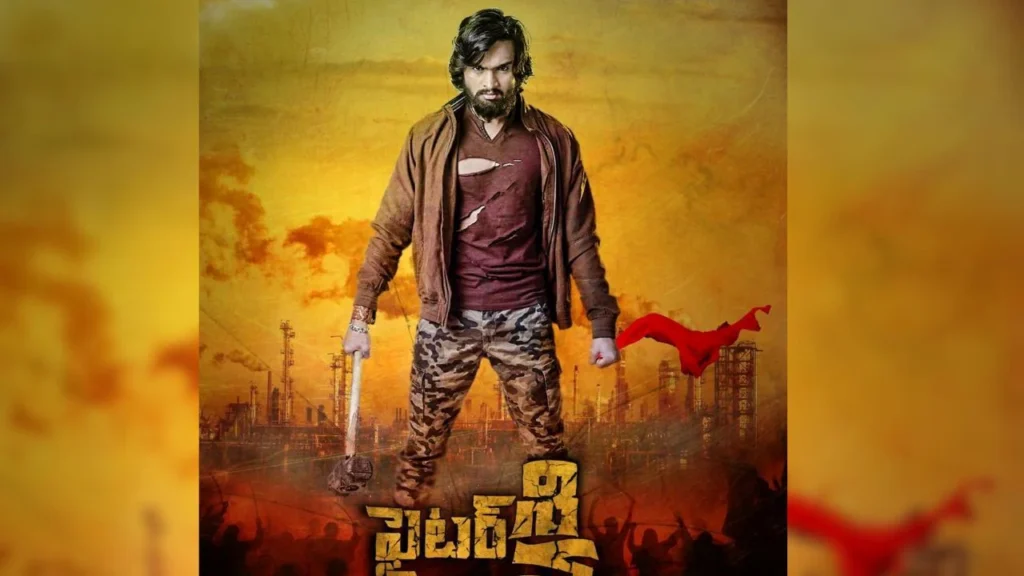
What’s Good: Powerful action blocks, emotional storytelling, strong background score, engaging screenplay, impactful hero elevation scenes.
What’s Bad: Predictable moments, slightly stretched second half, limited depth for some supporting characters.
Loo Break: Interval and post-interval action stretch.
Watch or Not?: Definitely watch if you enjoy mass action films with emotional connect and strong hero moments.
Language: Telugu.
Available On: Theatrical release
Runtime: 2 Hours 30 Minutes
User Rating Clickflik.in:
Rate This:
Fighter Shiva is an emotional action drama about a man who chooses to fight injustice when silence becomes impossible. It tells the story of courage, sacrifice, and standing up for what is right, even when the whole system is against you.
Shiva is shown as a calm and quiet person. He lives a simple life and avoids trouble. He believes that fighting creates more problems, so he prefers peace. People around him see him as a normal man with no special interest in power or fame. But what they don’t know is that Shiva has a painful past that has shaped his strong character.
The society around Shiva is filled with corruption. Powerful people control everything — money, politics, police, and even justice. Innocent people suffer every day, but fear keeps them silent. Everyone knows what is wrong, but no one dares to question it.
Shiva watches all this quietly. He feels the pain of others but tries to stay away. However, one incident changes his life completely. When Shiva sees innocent people being treated unfairly, he can no longer ignore it. He decides to step in, not knowing that this small act will pull him into a dangerous battle.
His action angers powerful people who are used to controlling everything. They see Shiva as a threat. At first, they try to warn him. When that doesn’t work, they try to scare him. When even fear fails, they decide to destroy him.
As the story moves forward, the film slowly shows Shiva’s past through emotional scenes. These moments explain why Shiva hates injustice so deeply. He has lost people he loved. He has seen betrayal and cruelty. These experiences taught him that silence only helps the wrong people.
Shiva’s fight is not easy. He is not fighting one person but an entire system. The villains are rich, connected, and ruthless. They use their power to attack him mentally and emotionally. They target people close to him, hoping to break his spirit.
But Shiva does not give up.
Despite the danger, he continues to fight back. His actions inspire people around him. Slowly, fear starts turning into courage. People who once stayed silent begin to speak up. Shiva becomes more than just a fighter — he becomes a symbol of hope.
The action scenes in the film are strong and meaningful. Shiva never fights for ego or enjoyment. Every fight has a reason. Every punch carries emotion. His strength comes from his belief in justice, not just physical power.
Emotion plays a big role in the story. Shiva struggles internally. He knows that choosing this path will cost him peace, safety, and maybe even his life. But he also knows that walking away would mean living with regret.
The second half of the film becomes more intense. The villains become more dangerous. The risks grow higher. Shiva is pushed to his limits — physically and emotionally. He faces moments where everything seems lost.
The climax is powerful and emotional. Shiva faces the main villain in a final fight that represents good versus evil. This is not just about revenge. It is about dignity, justice, and protecting the innocent. The ending delivers a strong emotional impact and leaves the audience inspired.
Fighter Shiva ends with a clear message: one brave person is enough to start a change.
 (No Ratings Yet)
 Loading...
Fighter Shiva Movie Review: Script Analysis
The script of Fighter Shiva is designed to connect easily with common audiences. It does not try to be complicated or confusing. Instead, it focuses on emotions, injustice, courage, and the journey of one man who chooses to fight when silence becomes impossible.
The script begins by establishing Shiva as a calm, ordinary man. This is a very important writing choice. Instead of showing him as a hero from the start, the script presents him as someone relatable. He lives a normal life, avoids trouble, and believes that peace is better than conflict. This makes the audience connect with him easily.
By starting the story slowly, the script allows viewers to understand Shiva’s nature and mindset. This slow build helps the transformation feel natural later in the film.
One of the strongest aspects of the script is how the conflict grows step by step. There is no sudden jump from a calm life to extreme action. Small incidents lead to bigger problems. Each event pushes Shiva a little closer to taking a stand.
This gradual growth makes the story believable. The audience understands why Shiva finally decides to fight. It does not feel forced or artificial.
The script clearly defines what is right and what is wrong. There is no confusion. The villains represent corruption, cruelty, and misuse of power. Shiva represents honesty, courage, and justice.
This clarity makes the story emotionally satisfying. The audience always knows whom to support and why.
The script smartly uses flashbacks to explain Shiva’s past. These scenes are not confusing or lengthy. They are placed at the right moments to add emotional depth.
Through these flashbacks, the audience understands why Shiva hates injustice so deeply. His pain is not sudden; it comes from past loss and betrayal. This emotional base makes his actions feel genuine.
Dialogues in Fighter Shiva are easy to understand but emotionally strong. The script avoids heavy or complicated language. Instead, it uses simple words that connect directly with the audience.
Some dialogues inspire courage, some express pain, and some show anger. The balance between emotional and powerful dialogues keeps the film engaging.
In this script, action scenes are not added just for excitement. Every fight has a reason. Each action sequence moves the story forward.
Early fights are controlled and defensive, showing that Shiva does not enjoy violence. As the story progresses, the fights become more intense, reflecting his growing anger and determination. This shows character development through action.
The villain in Fighter Shiva is written as powerful, arrogant, and dangerous. He is not just a personal enemy but a symbol of a corrupt system.
This makes the conflict bigger and more meaningful. Shiva is not fighting just one person; he is fighting a mindset and system that supports injustice.
The script maintains a good balance between action and emotion. Emotional scenes give depth, while action scenes keep the excitement alive.
Family moments, friendship, and emotional conversations remind the audience what Shiva is fighting for. These moments prevent the film from becoming just an action show.
The script strongly focuses on a few core themes:
• Standing against injustice
• Courage over fear
• Moral responsibility
• Personal sacrifice
These themes are repeated naturally through events and character actions, not through forced messages.
The pacing of the script is steady. The film does not feel too slow or rushed. Emotional scenes allow the audience to breathe, while action scenes raise energy.
The script knows when to slow down and when to move fast, keeping viewers engaged throughout.
The climax is well-prepared by the script. Every major event leads toward it. The final fight feels earned because the story has built emotional and moral weight around it.
The climax is not only about defeating the villain but also about proving that courage can challenge power. This gives the ending emotional satisfaction.
The script ends with a clear and powerful message: silence supports injustice, and one brave person can start a change. The message is not preached but shown through Shiva’s journey.
Fighter Shiva Movie Review: Star Performance
The soul of Fighter Shiva lies completely in the shoulders of its lead actor, who delivers a power-packed performance that drives the film from start to finish. From the very first frame, he owns the screen with a commanding presence that instantly connects with the audience. His portrayal of Shiva is raw, intense, emotional, and heroic, making the character feel both larger than life and deeply relatable. What makes his performance stand out is the balance he maintains between aggression and vulnerability, allowing viewers to see not just a fighter, but a human being shaped by pain, anger, love, and responsibility.
Shiva, the lead actor, brings a fiery energy that elevates every action sequence. His body language during fight scenes is sharp and convincing, making each punch, kick, and movement feel real and impactful. He does not rely solely on stunt choreography; instead, his expressions, posture, and intensity add weight to every confrontation. Whether he is taking on a group of enemies or standing alone against a powerful antagonist, his screen presence dominates, keeping the audience fully invested. The physical transformation and fitness he showcases add authenticity to the role, making Shiva believable as a fearless fighter who has earned his strength through struggle.
Beyond action, the emotional depth of his performance deserves special praise. The film gives him several moments where silence speaks louder than words, and he handles these scenes with remarkable control. His eyes often convey pain, determination, and inner conflict, especially in scenes dealing with his past and personal losses. These emotional beats prevent the character from becoming one-dimensional and instead shape Shiva into a layered protagonist. The audience feels his anger when he is wronged, his sorrow when he loses something dear, and his determination when he rises again.
The romantic angle of the film is handled with surprising maturity by the lead actor. His chemistry with the female lead feels natural and grounded, avoiding melodrama. He brings warmth and softness into these scenes, offering a contrast to the intense fighter persona. This duality strengthens the character, showing that Shiva is not just a man of fists, but also someone capable of love, care, and emotional connection. These moments provide relief from the heavy action and make the audience root for him not only as a hero but as a person.
Dialogue delivery is another strong aspect of his performance. Fighter Shiva is filled with mass dialogues designed to evoke whistles and applause, and the lead actor delivers them with perfect timing and conviction. His voice modulation, pauses, and expressions elevate even simple lines into powerful statements. Whether it is a warning to the villain or a motivational line delivered to the oppressed, he ensures that each dialogue lands with maximum impact. These moments are key to the film’s mass appeal and contribute heavily to its repeat value.
The antagonist also plays a crucial role in enhancing the star’s performance. The villain’s performance is menacing and solid, giving the hero a worthy opponent. Their confrontational scenes crackle with tension, and the lead actor rises brilliantly to the challenge. Instead of overpowering the villain too early, he allows the conflict to build naturally, making the final face-off more satisfying. This dynamic between hero and villain strengthens the narrative and allows the lead actor to showcase different shades of anger, restraint, and eventual dominance.
Supporting actors play their parts effectively, but the spotlight always returns to the lead. The actors portraying family members add emotional grounding, and the lead actor shares strong chemistry with them, especially in scenes involving sacrifice and responsibility. These interactions further humanise Shiva and reinforce the emotional core of the film. Even in group scenes, his presence remains dominant without overshadowing others unnecessarily, which speaks to his confidence and control as a performer.
The female lead complements the hero well, bringing grace and emotional support to the story. While her role is not as physically demanding, her interactions with the protagonist help reveal softer aspects of Shiva’s personality. The lead actor responds well to her performance, making their scenes feel sincere and emotionally engaging. Together, they add emotional depth to a film that could have easily leaned only on action.
One of the most impressive aspects of the lead actor’s performance is his consistency. Maintaining high energy and emotional intensity throughout a lengthy runtime is not easy, especially in a film heavy on action and drama. Yet, he rarely falters. Even in slower scenes, his expressions and body language keep the audience engaged. He understands when to hold back and when to explode, ensuring that the performance never feels repetitive or exaggerated.
In climax scenes, the lead actor delivers his best work. The final transformation of Shiva from a man fighting for himself to a hero fighting for justice is portrayed with conviction and emotional strength. His performance during the climax blends physical aggression with emotional resolution, giving the audience a satisfying payoff. The final moments leave a strong impression, reinforcing the idea that Shiva’s journey was not just about winning fights, but about standing up for what is right.
Overall, Fighter Shiva is a star-driven film, and the lead actor rises to the occasion with a performance that fans of action dramas will thoroughly enjoy. His dedication, intensity, and emotional range make Shiva a memorable character in the mass-action genre. While the film has its cinematic highs and familiar tropes, it is the star performance that keeps everything together. For fans of powerful heroes, impactful dialogues, and emotionally charged action films, the lead actor’s performance alone makes Fighter Shiva worth watching.